Guide
Mould Prevention in Perth: How the Right Wall System Stops It Before It Starts
Every winter it's the same call, black spots creeping up a bathroom wall, a laundry that smells musty by June, paint lifting behind a robe in the spare room. Most people reach for the bleach. That treats the stain, not the cause. Real mould prevention is a construction question,
Overview
Every winter it's the same call, black spots creeping up a bathroom wall, a laundry that smells musty by June, paint lifting behind a robe in the spare room. Most people reach for the bleach. That treats the stain, not the cause. Real mould prevention is a construction question, and it starts inside the wall build-up long before anyone sees a mark on the paint.
Here's what actually drives mould in Perth homes over the wet season, and the linings, wraps and details that keep it out.
Why Perth Walls Grow Mould in Winter
Mould needs three things: moisture, a food source and still air. A Perth winter delivers all three at once. Rain-driven damp works its way into the wall cavity, indoor humidity climbs because everyone shuts the windows, and the paper facing on standard plasterboard is an organic surface that mould is perfectly happy to live on.
The temperature swing does the rest. Warm, moist indoor air meets a cold external wall, hits its dew point and condenses inside the build-up where nobody can see it. That's why mould shows up on the coldest surfaces first, south-facing walls, the corners of external rooms, and anywhere furniture is pushed hard up against the lining.
Our rainfall is also concentrated into a short, sharp window rather than spread across the year. A wall that gets wet in a climate with long dry spells will usually dry out on its own. A wall that gets wet week after week from May to August won't, which is why mould prevention here is a question of build-up rather than maintenance routine.
Signs You Have a Moisture Problem, Not Just a Mould Problem
Mould is the symptom. Before you decide how to treat it, work out what the wall is telling you:
Each of those points at a different fix. Getting mould prevention right means matching the remedy to the mechanism rather than treating every stain the same way.
- It comes back in the same spot , that's a build-up problem, not a cleaning problem.
- It follows the framing , vertical stripes of mould usually mean cold studs and condensation, not a leak.
- It's worst behind furniture , still air against a cold surface. Ventilation and insulation, not bleach.
- Paint is blistering or lifting , moisture is moving through from behind the lining.
- Only one room is affected , look for a local source: shower seal, blocked weep hole, a fan venting into the roof.
- Skirtings or bottom plates are soft , water is getting in at the base and sitting there.
Where It Starts, and Why You Find Out Late
By the time mould is visible on the paint, the wall has usually been damp for weeks. The starting points are predictable:
Notice how few of those are about the paint. Surface treatments buy you a season at best, the wall keeps getting wet, and the mould comes back in the same spot next winter. Effective mould prevention deals with the water, not the stain.
- Wet areas lined with standard plasterboard instead of a moisture-resistant board
- Sheet joints and cut edges that were never sealed properly
- Wall junctions and window reveals where the wrap was cut short or lapped the wrong way
- Cavities with no ventilation path, so anything that gets in has no way to dry out
- Ceilings under a poorly ventilated roof space, especially above bathrooms
- Exhaust fans that discharge into the roof cavity instead of outside
The Wall System That Prevents It
Good mould prevention is a system, not a single product. Three layers do most of the work, and each one covers a different part of the problem.
1. A lining that won't feed it
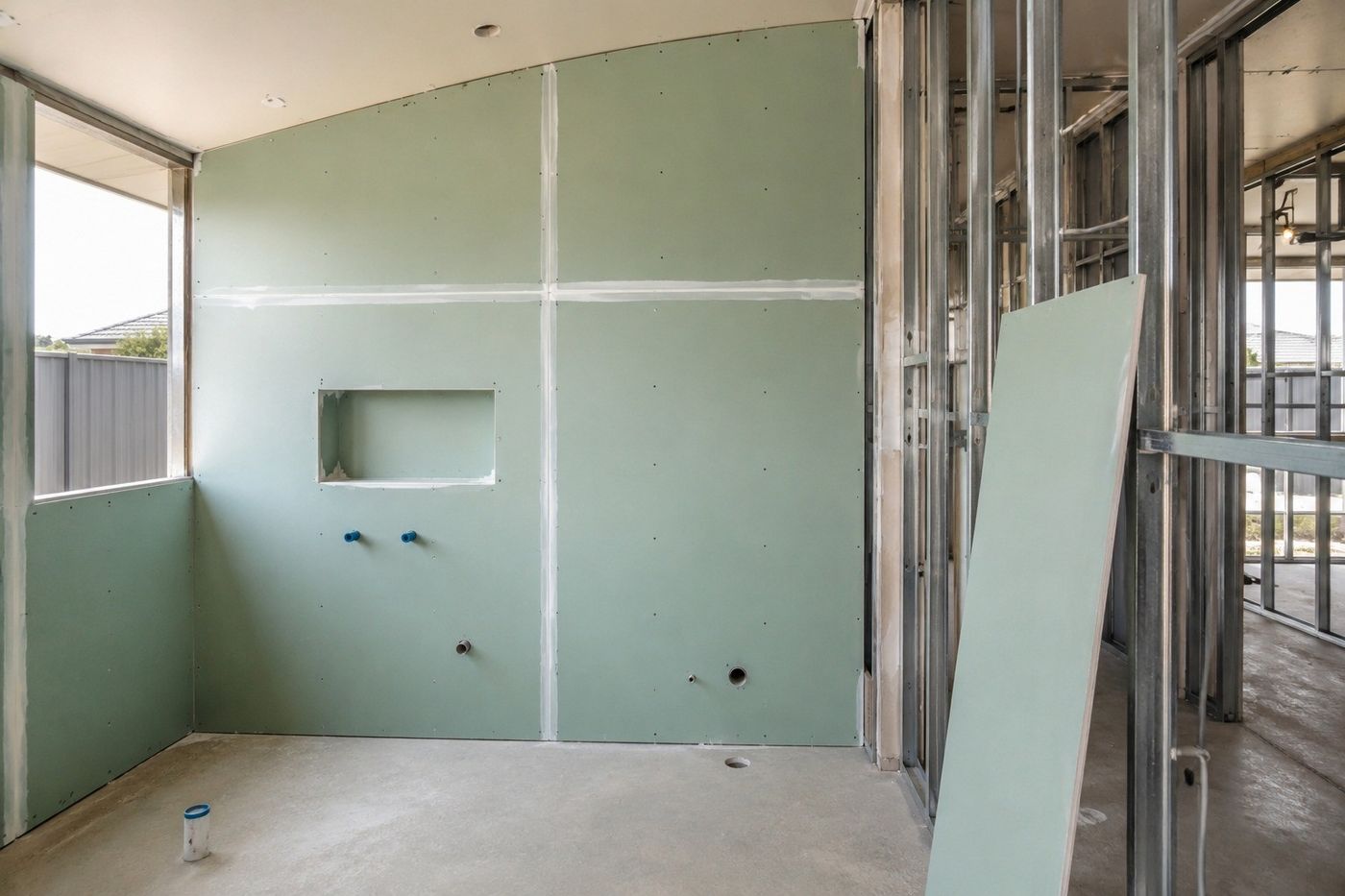
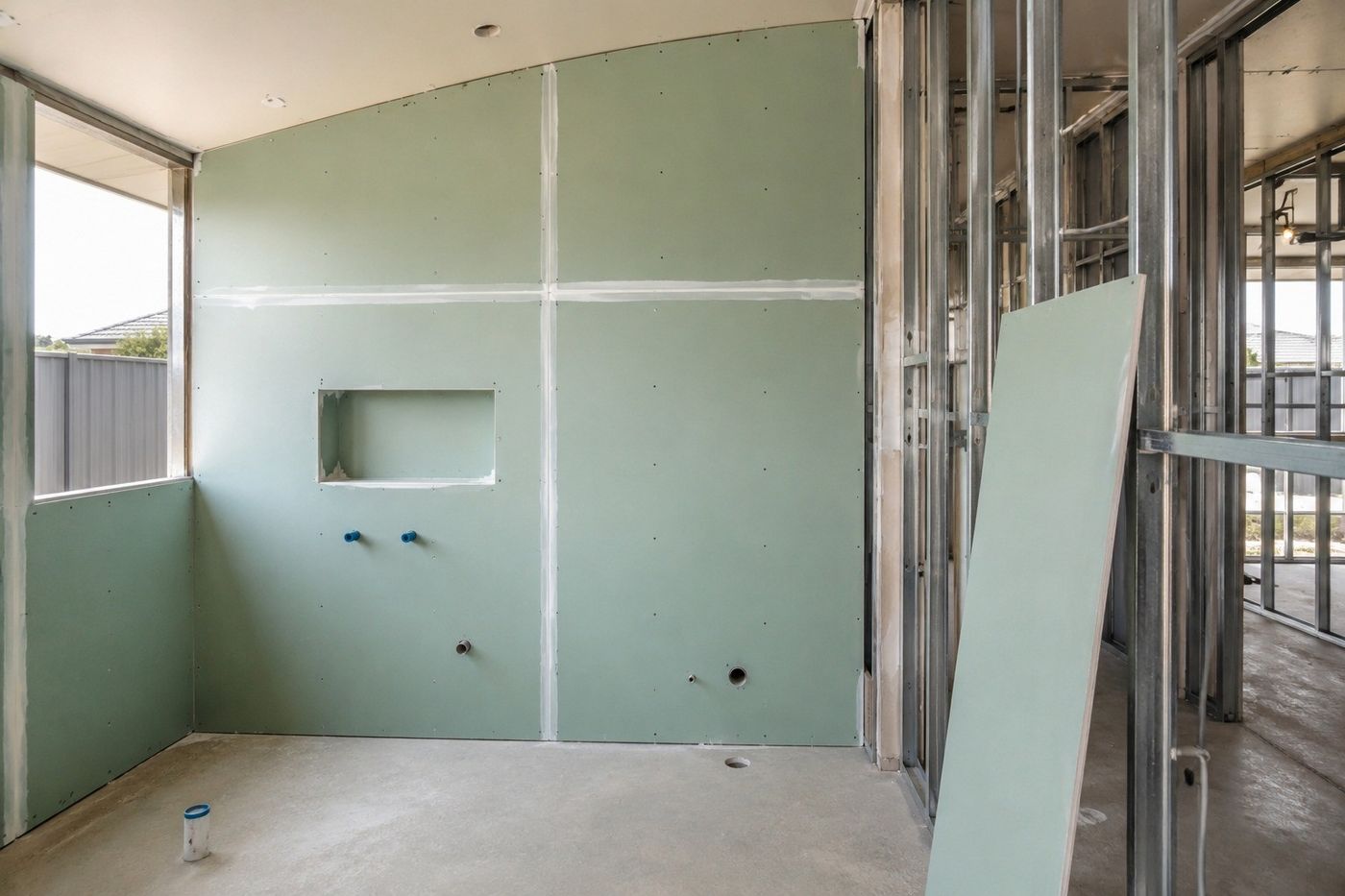
In any room that gets wet, the lining should be a moisture-resistant board rather than standard plasterboard. Aquachek is the usual pick for bathrooms, laundries and ensuites. Villaboard Lining is the fibre cement option where the wall will be tiled or take a harder knock, it doesn't have a paper face at all. Where fire rating is also in play, Fyrchek MR combines both properties in one sheet. All three are built for conditions that standard board simply isn't designed for. We compare them side by side in our wet-area lining guide .
2. A wrap that lets the wall dry
A vapour-permeable wall wrap sheds liquid water from outside while still letting vapour escape from within. That second half matters more than people expect. A wall that can't dry inwards or outwards will hold moisture against the frame all winter, no matter how good the lining is, and that trapped moisture undoes the rest of your mould prevention work. Our foils and membranes range covers the sarking, wraps and liners used across WA.
3. Insulation that keeps surfaces warm
Condensation forms on cold surfaces, so raising the internal surface temperature removes the trigger entirely. Continuous insulation keeps the back of the lining warm enough that indoor air never reaches dew point against it. Rigid boards and batts from our insulation range both do this; rigid boards achieve it in a thinner build-up, which helps when you can't afford to lose floor area to a thicker wall. It is the layer people skip most often, and the one that turns mould prevention from a wet-area measure into a whole-envelope one.
Bathroom, Laundry and Kitchen: What Goes Where
Mould prevention is not one specification applied everywhere. The three wet rooms have different exposures, and treating them identically either wastes money or leaves a gap:
If you are ordering for a whole house and want to keep it simple, running moisture-resistant board through every wet room and standard board elsewhere is a sensible default. The cost difference across a typical build is small next to one remediation job, and it puts mould prevention into every room that actually needs it.
- Bathroom and ensuite , moisture-resistant board throughout, fibre cement behind the shower and bath surround, all cut edges sealed, and a fan ducted to outside air.
- Laundry , moisture-resistant board on every wall. Laundries are the room most often built with standard sheets, and they see steam, splash and a dryer all in one small space.
- Kitchen , moisture-resistant board behind the sink and along the splashback run at minimum. The rest of the room is usually fine on standard board if the rangehood vents outside.
- Ceilings above wet rooms , moisture-resistant sheet, plus a ventilation path in the roof space above it.
A Pre-Winter Mould Prevention Checklist
A short mould prevention run-through before the rain sets in, whether you're building new or maintaining an existing home:
None of it is complicated, and none of it is expensive at the right moment. Mould prevention fails far more often through a skipped detail than through a wrong product choice.
- Confirm wet areas are lined with moisture-resistant board, not standard sheets
- Check that cut edges and penetrations in wet areas have been sealed
- Look at wrap laps around windows and doors, upper sheets must lap over lower ones, not behind
- Make sure every exhaust fan vents to outside air
- Clear weep holes and keep the cavity drainage path open
- Check the roof space has working ventilation at both eaves and ridge
- Pull furniture 50 mm clear of external walls so air can move behind it
- Run the exhaust fan for 15 minutes after a shower, not 15 seconds
Mistakes That Undo Good Materials
We see the same few every year. Moisture-resistant board installed correctly but with the cut edges left raw. Wall wrap lapped the wrong way, so water runs behind it instead of over it. Exhaust fans ducted into the roof cavity, which moves the problem rather than solving it. And painting over a stain without ever finding where the water came from, which guarantees it's back next winter. Each one quietly cancels out the mould prevention the materials were meant to deliver.
Pro tip: the materials only perform as well as the detailing around them. If you're unsure about a junction or a penetration, it's worth a phone call before the lining goes up rather than after.
For the compliance side, ABCB's condensation mitigation guidance and its condensation in buildings handbook set out the NCC requirements that apply to wall build-ups in Australian climate zones, including our own.
What If the House Is Already Built?
Most Perth homes with a mould problem were finished years ago, and nobody is stripping a bathroom back to frame over a few spots. Mould prevention in an existing house follows a different order of attack, but the logic is identical, find the water first.
A bathroom renovation is the natural moment to correct a build-up that was never right. The wall is already open, the extra cost of the correct board is minor, and it is the difference between fixing the room once and repainting it every second winter.
- Track down the source: a failed shower seal, a blocked weep hole, a downpipe discharging against the wall, or plain condensation
- Fix the ventilation before anything cosmetic. An extraction fan ducted to outside air is usually the cheapest single improvement
- Treat and dry the affected area properly, and give it time before you close it up
- When a wet-area wall does come off, for a renovation or a leak repair, put moisture-resistant board back, not standard sheet
- Seal the new cut edges while the wall is open. It costs minutes and it is the step most often skipped
Mould Prevention Starts at Order Time
The cheapest point to fund mould prevention is on the materials list. Swapping to a moisture-resistant board in the wet areas, specifying the right wrap and getting the insulation continuous costs very little at the ordering stage. Fixing the same wall two winters later means stripping the lining, drying the frame and starting again.
If you are pricing a build or a renovation right now, that is the moment to ask the question. Bring us the room list and we will tell you where mould prevention actually earns its place and where standard board is perfectly adequate, there is no sense paying for moisture-resistant sheet in a bedroom.
FAQ
Does moisture-resistant plasterboard stop mould on its own?
No. It removes the food source and copes with damp far better than standard board, but it can't fix a wall that stays wet. Treat it as one layer of mould prevention, paired with sealed edges, a vapour-permeable wrap and working ventilation.
Can I just use mould-resistant paint?
Paint treats the surface. If moisture keeps arriving from behind the lining, the coating will fail and the stain will return, usually in the same spot, the following winter.
Is fibre cement better than moisture-resistant plasterboard in a bathroom?
They do different jobs. Villaboard has no paper face and takes tiling and impact well, so it suits shower and bath surrounds. Aquachek is easier to finish and is fine for the rest of the room.
Do I need a vapour barrier or a vapour-permeable wrap?
In Perth's climate you generally want the wall to be able to dry. A vapour-permeable wrap sheds liquid water while letting vapour out; a sealed barrier in the wrong place can trap moisture against the frame.
How soon after a leak should I replace the lining?
Once the source is fixed, let the cavity dry before you close it up, rushing that traps moisture behind new board. If the sheet has swelled, gone soft or stayed damp for more than a few days, replace it rather than dry it out.
How much does it add to a build?
Very little at order time, the upgrade across a typical house's wet areas is small, which is why mould prevention is best funded on the materials list. Remediating one mouldy wall later costs far more, because it means stripping the lining, drying the frame and redecorating.
We Can Help
Aussie Plasterboard stocks moisture-resistant plasterboard, fibre cement linings, wall wraps, sarking, insulation and the compounds and sealants that go with them, everything a proper wet-area build-up needs for genuine mould prevention. Talk to our Osborne Park team about what suits your project, or request a quote and we'll get it on a truck.
More guides
- Winter Condensation on Walls: Why It Happens and How to Stop It with Vapour Membranes 22 August 2026
- Leaky Soffits and Wet Eaves: Pre-Winter Cladding Checks Every Builder Should Know 22 August 2026
- Cold Walls, High Bills: How Insulation Batts and Reflective Foils Cut Winter Heating Costs 22 August 2026