Guide
Exploring the Elegance of Cornices in Architectural Design
Introduction
Overview
Introduction
Architectural design is a harmonious blend of aesthetics and functionality, and one element that beautifully encapsulates this balance is the cornice. Often overlooked but undeniably crucial, cornices add a touch of sophistication and grandeur to buildings, elevating their visual appeal while also serving practical purposes. In this article, we delve into the world of cornices, tracing their history, exploring their various styles, and highlighting their significance in architectural composition.
Historical Evolution
The origins of cornices can be traced back to ancient civilizations, where they were primarily employed in Greek and Roman architecture. These early iterations were simple projections from the upper part of a wall, providing both a functional drip line to prevent rainwater from trickling down the façade and a decorative flourish that demarcated the transition between the walls and the roof. Over time, cornices evolved from being mere rainwater management systems to becoming integral components of architectural ornamentation.
Functional Significance
Cornices serve a vital role in protecting buildings from the elements. By directing rainwater away from the walls, they prevent moisture-related damage, such as erosion, rot, and mold growth. This functional aspect is particularly important in regions with heavy rainfall or harsh weather conditions. Additionally, cornices help shade windows and doors, reducing direct exposure to sunlight and, subsequently, aiding in temperature regulation and energy efficiency.
Architectural Styles and Design
Cornices come in a plethora of styles, each contributing to the overall architectural character of a building. In Neoclassical architecture, cornices often feature intricate moldings and classical motifs like dentils, modillions, and egg-and-dart patterns. Gothic architecture utilizes pointed arches and delicate tracery in its cornice designs, adding an air of elegance and verticality to the structures. Renaissance-style cornices may incorporate elements from ancient Rome and Greece, such as Corinthian or Ionic orders.
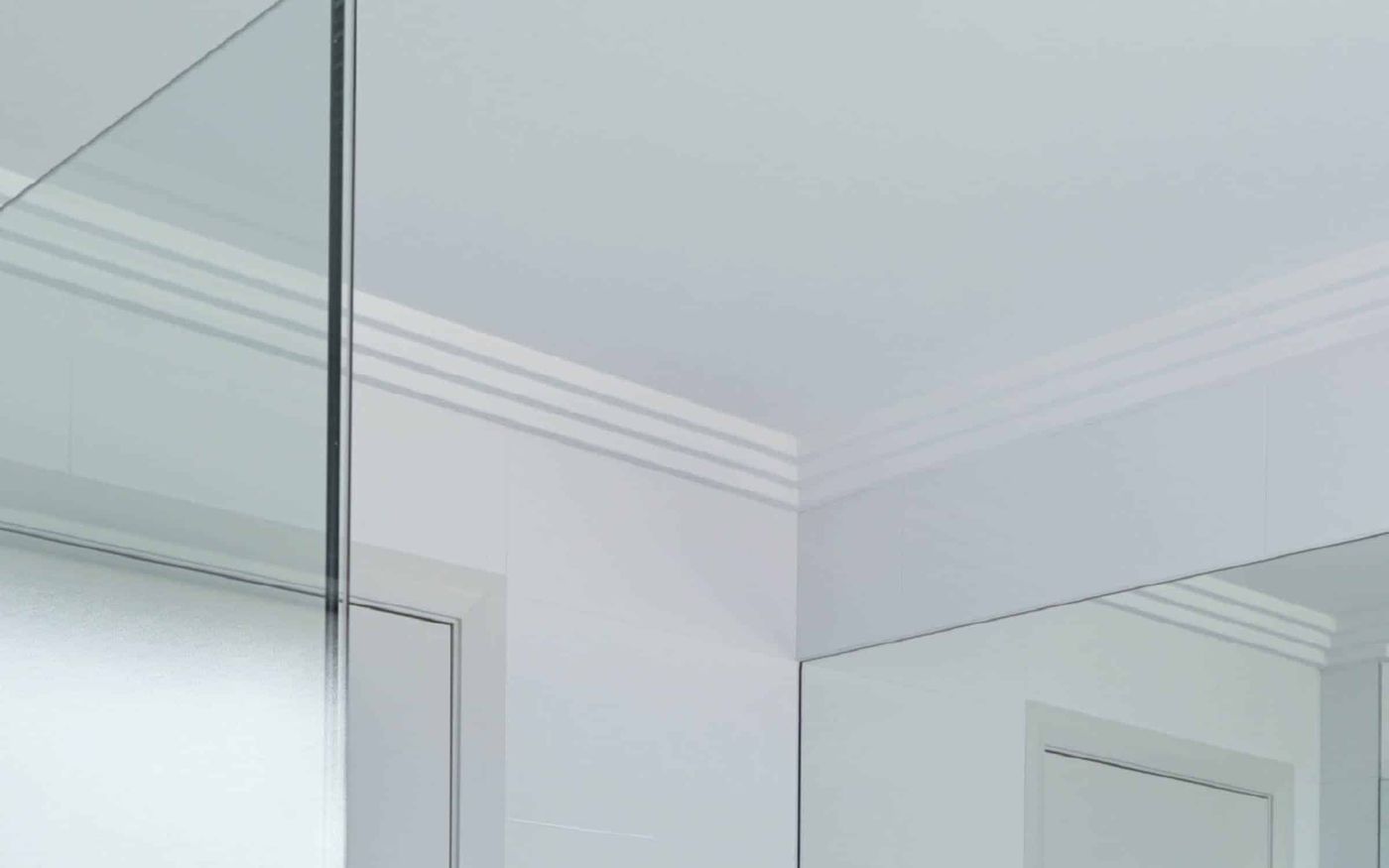
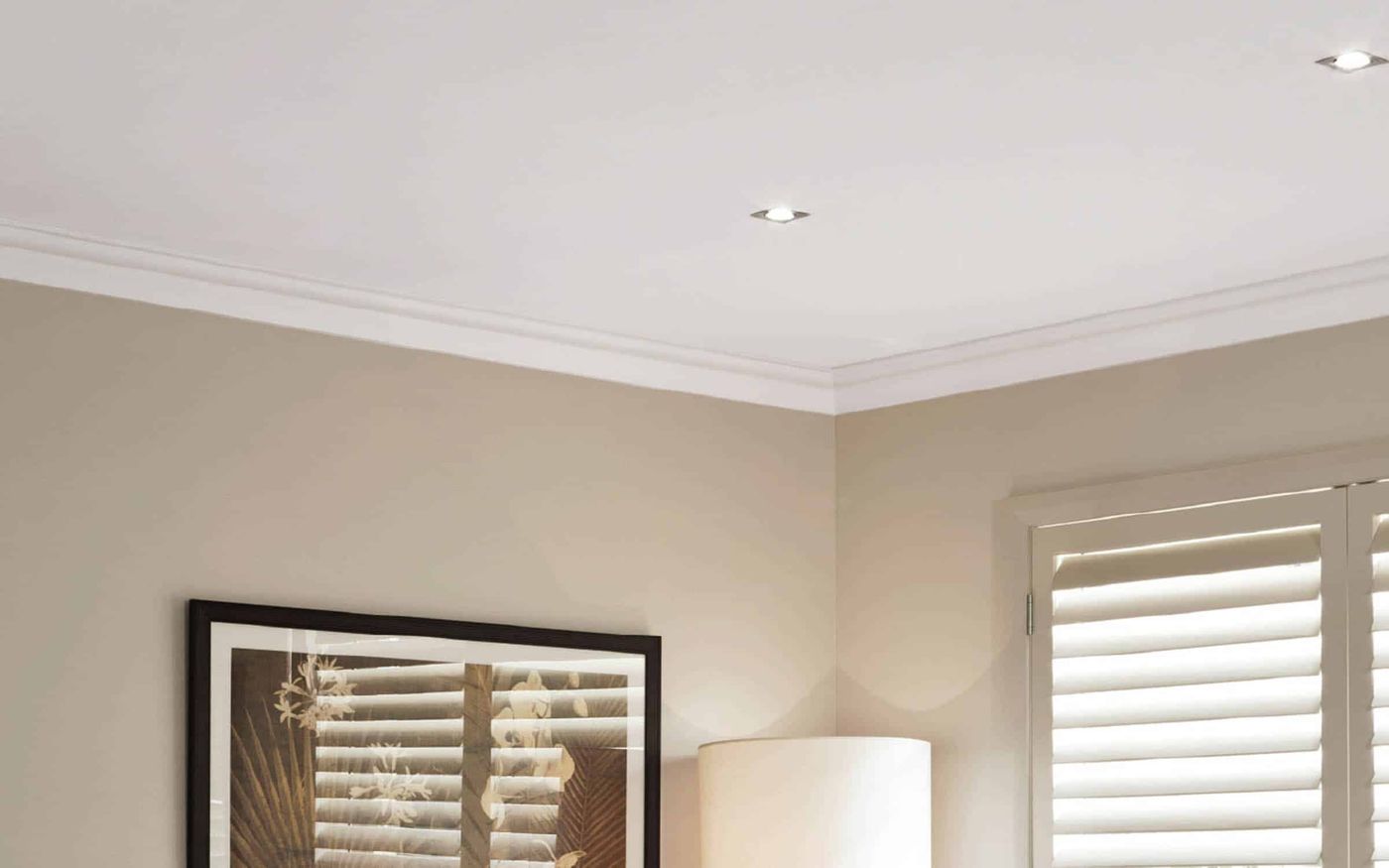
In modern architecture, cornices have adapted to the changing design sensibilities. While still serving functional purposes, contemporary cornices often possess minimalist profiles, focusing on clean lines and subtle projections that complement the overall building aesthetic. This adaptability showcases how cornices continue to be relevant in shaping the visual language of architecture across different eras.
Cultural and Regional Variations
Cornices not only vary across architectural styles but also exhibit distinct cultural and regional influences. In Islamic architecture, cornices may feature intricate geometric patterns, calligraphy, and arabesque motifs. Traditional Chinese architecture incorporates upturned eaves and layered cornices, creating a sense of upward movement and graceful curvature.
Modern Innovations and Materials
Advancements in materials and construction techniques have allowed for innovative reinterpretations of traditional cornices. Modern materials such as glass-reinforced concrete (GRC), lightweight metals, and synthetic polymers offer architects newfound freedom to experiment with shapes, sizes, and textures. These materials enable the creation of lightweight yet durable cornices that can mimic the appearance of traditional stone or wood carvings.
Conclusion
Cornices stand as a testament to the enduring marriage of function and aesthetics in architecture. From their humble beginnings as rudimentary rainwater management systems, cornices have evolved into exquisite design elements that contribute to the visual identity of buildings. Their adaptability across styles and eras, as well as their regional and cultural variations, showcase the versatility and significance of cornices in shaping architectural compositions. As architectural trends continue to evolve, the cornice remains a timeless embellishment, seamlessly blending the past and present in architectural design.
Related finishing products
Cornices and plasterboard finishing profiles · Plasterboard product range · Jointing compounds and finishing products · Request a quote